
Explore the Wonders of Everest Trekking
Embarking on an Everest trekking adventure is a dream for many. The majestic peaks, serene landscapes, and vibrant Sherpa culture make it a once-in-a-lifetime experience. Whether you are a seasoned trekker or a first-timer, preparing well is key to enjoying every moment of this journey. This guide will walk you through practical tips and insights to help you make the most of your Everest trekking expedition.
Preparing for Your Everest Trekking Adventure: Everest Trekking Tips
Preparation is the foundation of a successful trek. Here are some essential tips to get you ready:
Physical Fitness: Start training at least two months before your trek. Focus on cardio exercises like running, cycling, and stair climbing to build stamina. Strength training for your legs and core will help you handle the rugged terrain.
Gear Selection: Invest in quality trekking gear. Essential items include waterproof hiking boots, thermal layers, a down jacket, and a good sleeping bag. Don’t forget trekking poles to reduce strain on your knees.
Acclimatization: Altitude sickness is a real risk. Plan your itinerary to include rest days for acclimatization. Drink plenty of water and avoid alcohol during the trek.
Travel Insurance: Choose insurance that covers high-altitude trekking and emergency evacuation.
Permits and Documentation: Ensure you have the necessary permits such as the TIMS card and Sagarmatha National Park entry permit.
By following these tips, you’ll be physically and mentally prepared to face the challenges of the trail.
The Route and Highlights of Everest Trekking
The Everest trekking route offers breathtaking views and cultural experiences. Here’s what to expect:
Lukla to Namche Bazaar: The trek begins with a thrilling flight to Lukla, followed by a gradual ascent to Namche Bazaar, the gateway to the Everest region. This bustling town is perfect for acclimatization and exploring local markets.
Namche Bazaar to Tengboche: Trek through rhododendron forests and cross suspension bridges. Tengboche Monastery, perched on a hilltop, offers panoramic views of Everest and Ama Dablam.
Tengboche to Dingboche: The trail becomes more challenging as you gain altitude. Dingboche is another acclimatization stop with stunning mountain vistas.
Dingboche to Lobuche and Gorak Shep: The landscape turns rocky and barren. Gorak Shep is the last stop before Everest Base Camp.
Everest Base Camp and Kala Patthar: Reach the iconic base camp and then hike to Kala Patthar for the best sunrise views of Everest.
Each stage offers unique experiences, from vibrant Sherpa culture to awe-inspiring natural beauty.

Essential Gear and Packing Tips for Everest Trekking
Packing smart can make your trek comfortable and safe. Here’s a checklist of must-have items:
Clothing:
- Moisture-wicking base layers
- Insulating mid-layers (fleece or down jacket)
- Waterproof and windproof outer layers
- Thermal gloves, hats, and socks
Footwear:
- Sturdy, waterproof hiking boots
- Comfortable trekking socks
Accessories:
- Sunglasses with UV protection
- Headlamp with extra batteries
- Water bottles or hydration system
- Personal first aid kit including altitude sickness medication
Miscellaneous:
- Trekking poles
- Camera or smartphone for photos
- Power bank for charging devices
Pack light but don’t compromise on essentials. Layering your clothing will help you adapt to changing weather conditions.
Navigating Challenges on the Trail
Trekking in the Everest region comes with its share of challenges. Here’s how to handle them:
Altitude Sickness: Symptoms include headache, nausea, and dizziness. Ascend slowly, stay hydrated, and rest when needed. If symptoms worsen, descend immediately.
Weather Changes: Weather can be unpredictable. Carry waterproof gear and be prepared for sudden temperature drops.
Physical Fatigue: Take regular breaks and listen to your body. Eating high-energy snacks like nuts and chocolate can help maintain energy levels.
Limited Facilities: Tea houses provide basic accommodation and meals. Carry some personal hygiene items and be prepared for simple living conditions.
Communication: Mobile coverage is limited. Consider renting a satellite phone or using local SIM cards where available.
Being aware of these challenges and preparing accordingly will ensure a safer and more enjoyable trek.
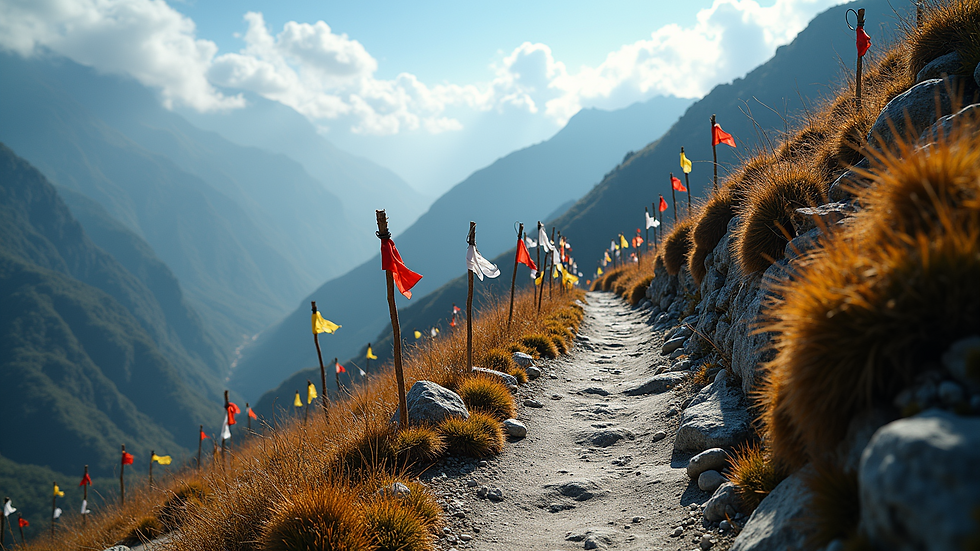
Why Choose Everest Base Camp Trekking with a Trusted Guide
Choosing a reliable trekking company can enhance your experience significantly. A professional guide offers:
Safety and Support: Guides are trained to handle emergencies and altitude sickness.
Local Knowledge: Learn about Sherpa culture, history, and the environment.
Logistics Management: Guides arrange permits, accommodation, and meals, reducing your stress.
Motivation and Companionship: Trekking with a group and guide keeps morale high.
For those interested in a well-organized adventure, consider booking your everest base camp trekking with experienced operators who prioritize safety and cultural respect.
Embracing the Journey Beyond the Summit
The trek to Everest Base Camp is more than just reaching a destination. It’s about the journey - the friendships formed, the challenges overcome, and the awe-inspiring nature encountered. Take time to:
Engage with Locals: Visit monasteries, try local cuisine, and learn about Sherpa traditions.
Capture Memories: Photograph the stunning landscapes and unique moments.
Reflect and Appreciate: The quiet moments in the mountains offer a chance for personal reflection and growth.
Every step on this trail is a story worth telling. Prepare well, stay safe, and immerse yourself in the wonders of Everest trekking.


Comments