
Explore the Journey to Everest Base Camp
Embarking on the journey to Everest Base Camp is a dream for many adventure seekers and nature lovers. This trek offers breathtaking views, a chance to experience Sherpa culture, and the thrill of standing at the foot of the world's highest peak. Whether you are a seasoned trekker or a first-timer, this guide will provide you with practical information, tips, and insights to make your Everest Base Camp adventure unforgettable.
Planning Your Everest Base Camp Trek Guide
Preparation is key to a successful trek. The Everest Base Camp trek typically takes about 12-14 days, including acclimatization days to help your body adjust to the high altitude. The best time to trek is during the pre-monsoon season (March to May) and post-monsoon season (late September to November) when the weather is clear and stable.
Essential Gear and Packing Tips
Clothing: Layering is crucial. Pack moisture-wicking base layers, insulating mid-layers, and a waterproof outer shell.
Footwear: Invest in sturdy, broken-in hiking boots with good ankle support.
Accessories: Sunglasses, a wide-brimmed hat, gloves, and a warm hat for cold nights.
Backpack: A comfortable 40-50 liter backpack is ideal.
Other essentials: Trekking poles, a reusable water bottle, sunscreen, and a first aid kit.
Permits and Documentation
You will need two permits for the trek:
TIMS Card (Trekkers’ Information Management System)
Sagarmatha National Park Entry Permit
These can be obtained in Kathmandu or through your trekking agency.
What to Expect on the Everest Base Camp Trek Guide
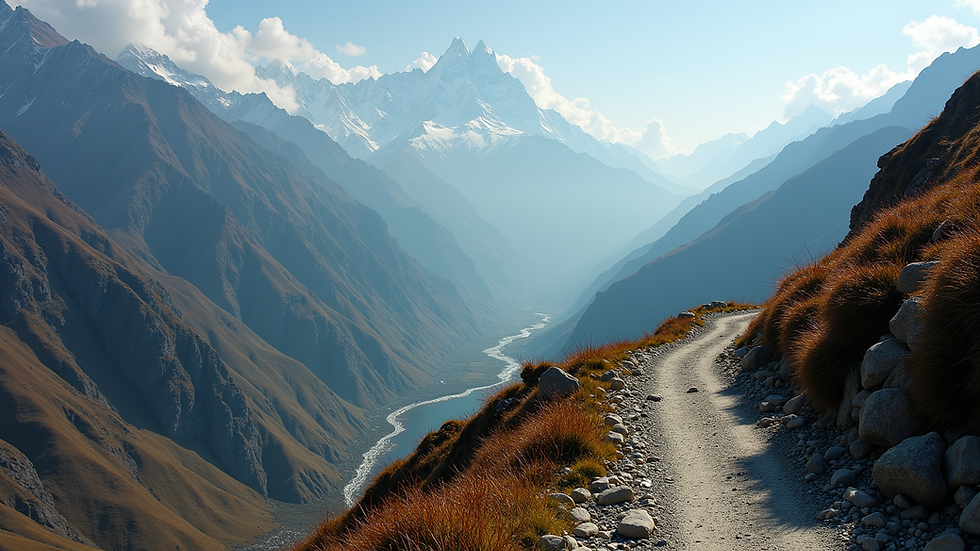
The trek starts from Lukla, a small mountain town with a famous airport. From here, you will pass through several Sherpa villages, lush forests, and rugged landscapes. The trail is well-marked and offers plenty of teahouses for rest and meals.
Daily Trekking Routine
Distance: 8-12 miles per day depending on the stage.
Elevation gain: Gradual ascent with rest days for acclimatization.
Accommodation: Basic teahouses with shared rooms and simple meals.
Highlights Along the Way
Namche Bazaar: The bustling Sherpa capital with shops, cafes, and stunning views.
Tengboche Monastery: A spiritual site with panoramic mountain vistas.
Kala Patthar: A viewpoint offering the best close-up views of Everest.
The journey is physically demanding but rewarding. Staying hydrated, eating well, and pacing yourself are essential to avoid altitude sickness.
Experience the Culture and Nature
The trek is not just about the mountains; it’s also about immersing yourself in the local culture and environment.
Sherpa Hospitality
Sherpas are known for their warmth and friendliness. You will have opportunities to learn about their traditions, festivals, and daily life. Many teahouses are family-run, providing a cozy atmosphere and home-cooked meals.
Flora and Fauna
The trail passes through diverse ecosystems:
Rhododendron forests in the lower regions.
Alpine meadows at higher altitudes.
Wildlife such as musk deer, Himalayan tahr, and various bird species.
Respecting the environment is crucial. Stick to marked trails and avoid littering to preserve this pristine landscape.

Tips for a Safe and Enjoyable Trek
Safety should always be a priority on the Everest Base Camp trek. Here are some actionable recommendations:
Acclimatize properly: Take rest days seriously to prevent altitude sickness.
Stay hydrated: Drink at least 3-4 liters of water daily.
Listen to your body: If you feel unwell, do not push yourself.
Hire a guide or porter: They can enhance your experience and help with logistics.
Pack light but smart: Carry only essentials to avoid unnecessary strain.
Travel insurance: Ensure it covers high-altitude trekking and emergency evacuation.
By following these tips, you can enjoy the trek while minimizing risks.
Embark on Your Adventure with Confidence
The journey to Everest Base Camp is a life-changing experience. It challenges your limits, rewards you with spectacular views, and connects you with a unique culture. For those ready to take on this adventure, consider booking your trip with a reputable company to ensure a smooth and safe trek.
For more detailed information and to plan your trip, check out this everest base camp trekking resource.
Whether you are gazing up at Everest from Kala Patthar or sharing a meal with Sherpa friends, the memories you make on this trek will stay with you forever. Prepare well, respect the mountains, and enjoy every step of this incredible journey.


Comments